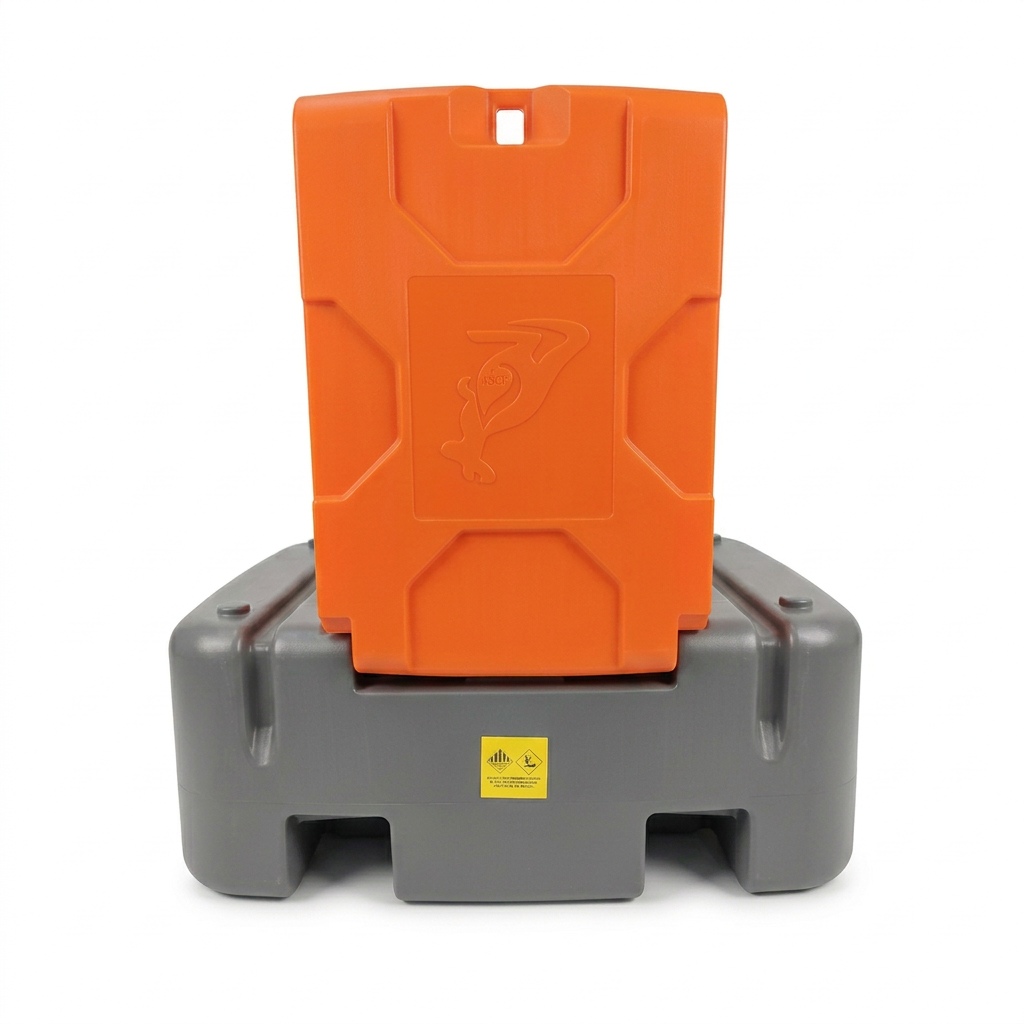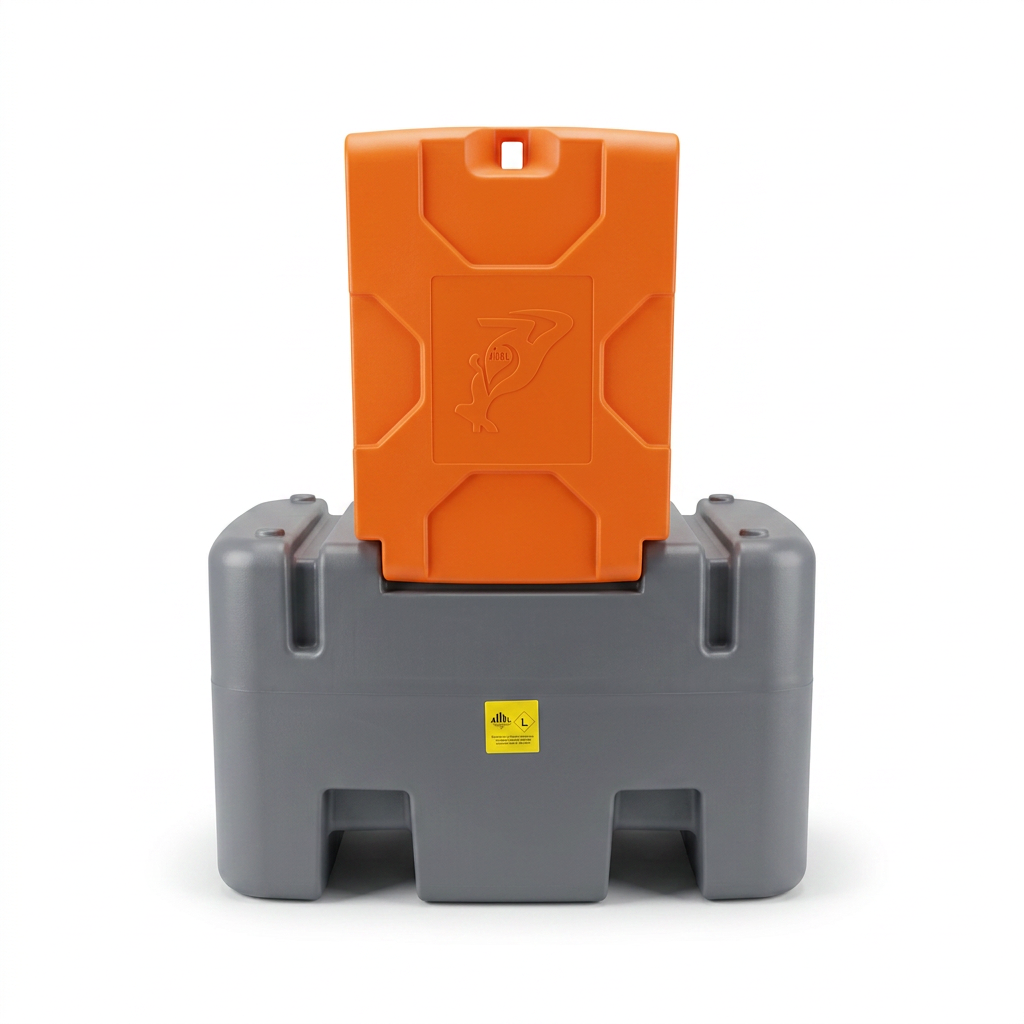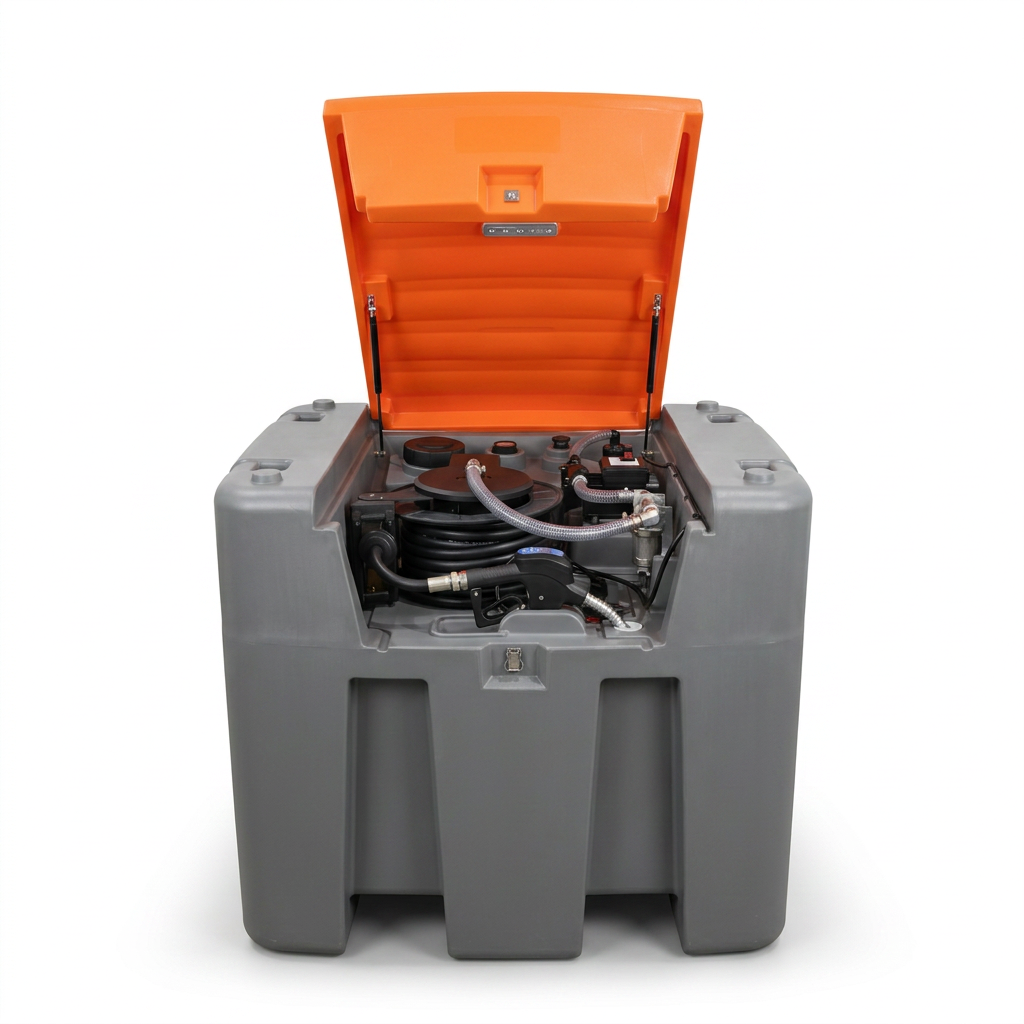
Diesel is forgiving compared to petrol — but "forgiving" isn't "safe by default". A 400 L tank held a metre off the ground still represents a serious spill risk, a slip hazard, and a contamination headache if you get it wrong. This is the practical, field-ready checklist for transferring diesel from a portable tank — what to set up, what to watch for, and what to do if it goes sideways. None of this is regulatory advice; for the standards that apply to your site, check with your insurer and your state regulator.
Before you pump: site setup
Park on level ground. A tank sitting on a slope reads its fuel gauge wrong and feeds the pump unevenly. If the tank is on a ute tray or trailer, chock the wheels.
Keep ignition sources clear. No grinders, welders, open flames or smoking within 3 m of the pump and vehicle filler. Mobile phones in pockets are fine; running engines nearby aren't ideal but aren't a deal-breaker for diesel the way they are for petrol.
Have a spill kit within arm's reach. Absorbent pads, a poly bunding tray under the nozzle drip point, and a small container to catch the last few mL when you remove the nozzle.
Check the weather. Heavy rain into an open filler is how water contamination starts. If you have to refuel in the wet, shelter the filler neck.
The pumping routine
Connect power last. Clip the pump leads to the battery only when you're ready to pump — red to positive first, then black to negative. Reverse the order to disconnect.
Open the tank vent / breather. Pumping against a sealed tank pulls a vacuum and starves the pump. Joey tanks have integrated breathers; just make sure they're clear.
Insert the nozzle fully into the vehicle filler. A nozzle held above the filler neck splashes and atomises fuel — that's where you get vapour and contamination.
Let the automatic shut-off do its job. Don't trigger the latch and walk away on the first fill — stay with the nozzle until you know how this particular vehicle behaves with this nozzle. Modern auto shut-offs are reliable, but vehicle tank geometry varies.
Pause at the click. When the auto shut-off trips, stop. "Topping off" past the click is the single most common cause of spills.
After the transfer
Remove the nozzle slowly to let residual fuel drain into the filler rather than onto the paintwork. Re-holster it cleanly — don't drag it across the ground.
Close the vehicle fuel cap until it clicks. Close the tank lid and re-lock it if you're leaving the tank unattended.
Disconnect the pump leads (black first, then red) and stow them so they can't short against the tray.
Log the litres transferred if you're tracking fleet fuel use — the digital flow-read bowser makes this a 5-second job.
When something goes wrong
Small spill (under 1 L). Cover with absorbent pad, let it soak, bag the used pad and dispose per your local waste rules. Don't hose it into a stormwater drain.
Larger spill. Contain first (bunding, sand, soil banked around the perimeter), then absorb. For anything reaching a drain, waterway, or significant soil volume, contact your state EPA — most states have a 24-hour pollution hotline.
Pump stops mid-fill. Most common cause is battery undervoltage. Run the vehicle, give it 30 seconds, try again. If it still won't run, check the internal fuse on the pump assembly.
Suspected water in fuel. Stop pumping. Drain a sample from the tank's lowest point if you have a drain plug; water separates and sits below diesel. The 1000L tank's water separator catches this before it hits the vehicle, but smaller tanks rely on you checking.
Storage between jobs
Keep the tank lid sealed and locked. Diesel left exposed to air absorbs moisture, which grows microbial contamination ('diesel bug') over weeks.
Store out of direct sun where possible — heat cycling speeds up fuel degradation.
Run a fuel stabiliser if the tank will sit more than 3 months without being cycled. Standard agricultural stabilisers from any rural supplier work fine.
Check the in-line filter every 3–6 months. A blocked filter is the first sign of contamination and a 5-minute fix before it becomes a pump replacement.
Frequently asked questions
Set up to transfer safely from day one
Every Joey diesel tank ships with an automatic shut-off nozzle, lockable filling cap, and the hardware to make safe transfers routine. Browse the range or call 0468 462 047.